The subjects on his drawing pad have constantly shifted over the years, but the moment his pencil touches paper, his entire body changes. His posture softens, his breathing slows, and the frantic noise of the day simply drops away.
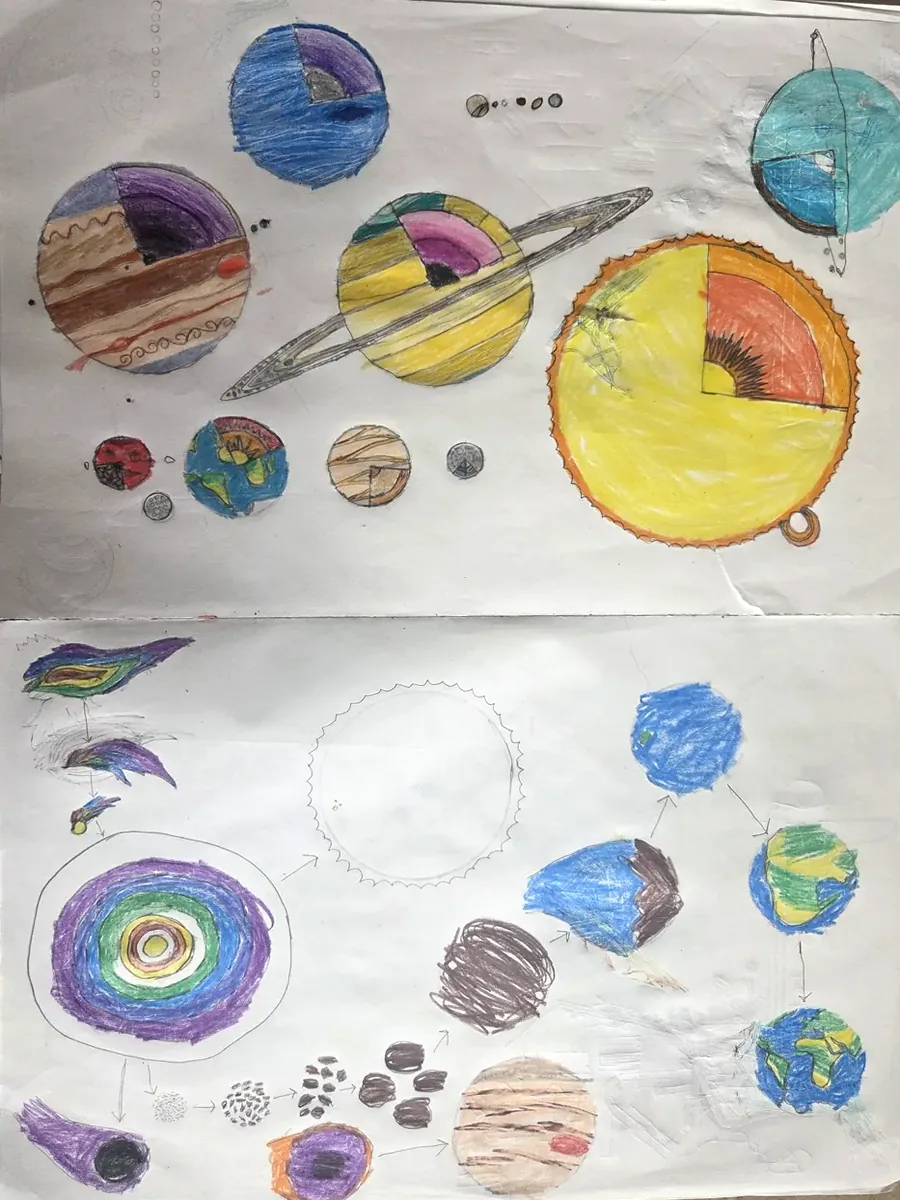
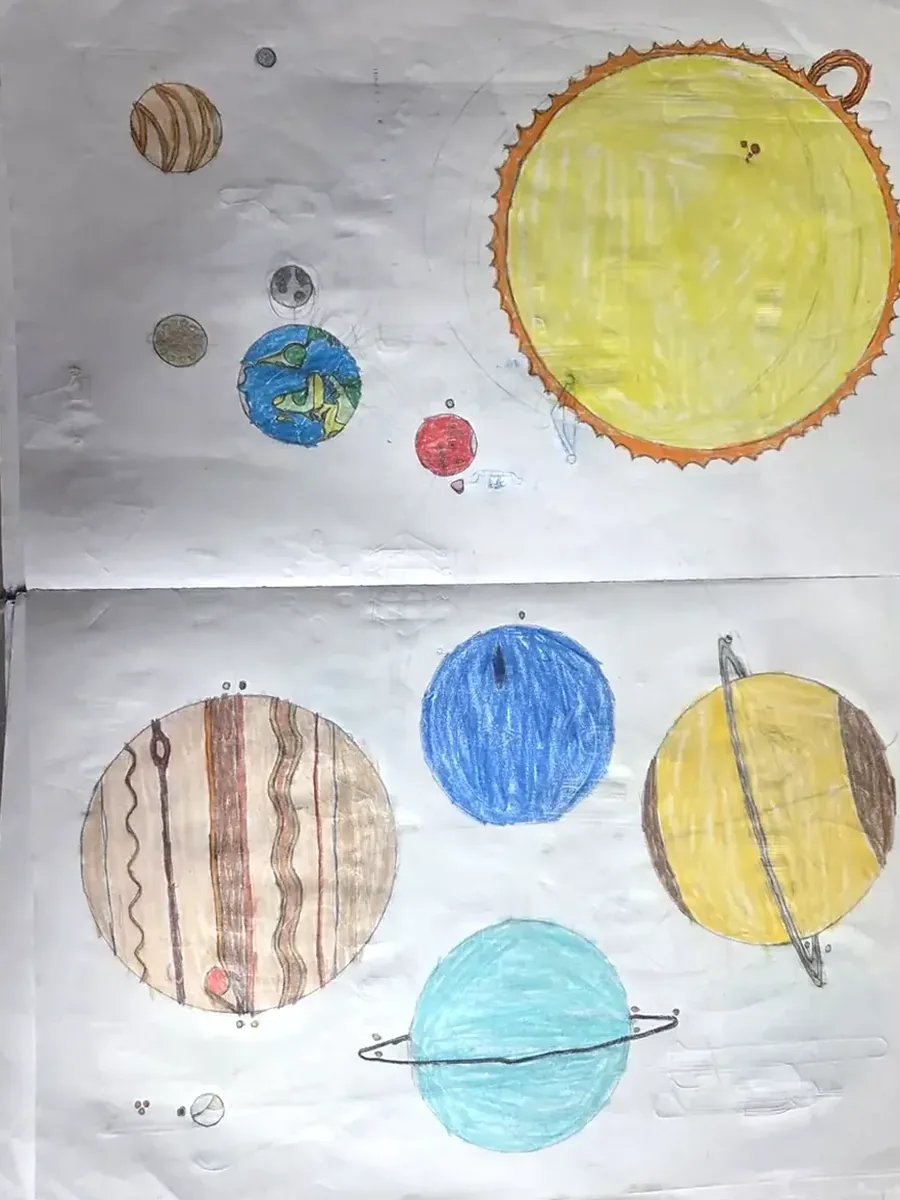
When he was 6, it started with horses. Later came an intense phase of drawing trains with striking precision — capturing every engine, car, and track in detail. Then came deep space: intricate solar system studies mapping out planetary rings, moons, and sliced-open cross-sections of planet interiors.
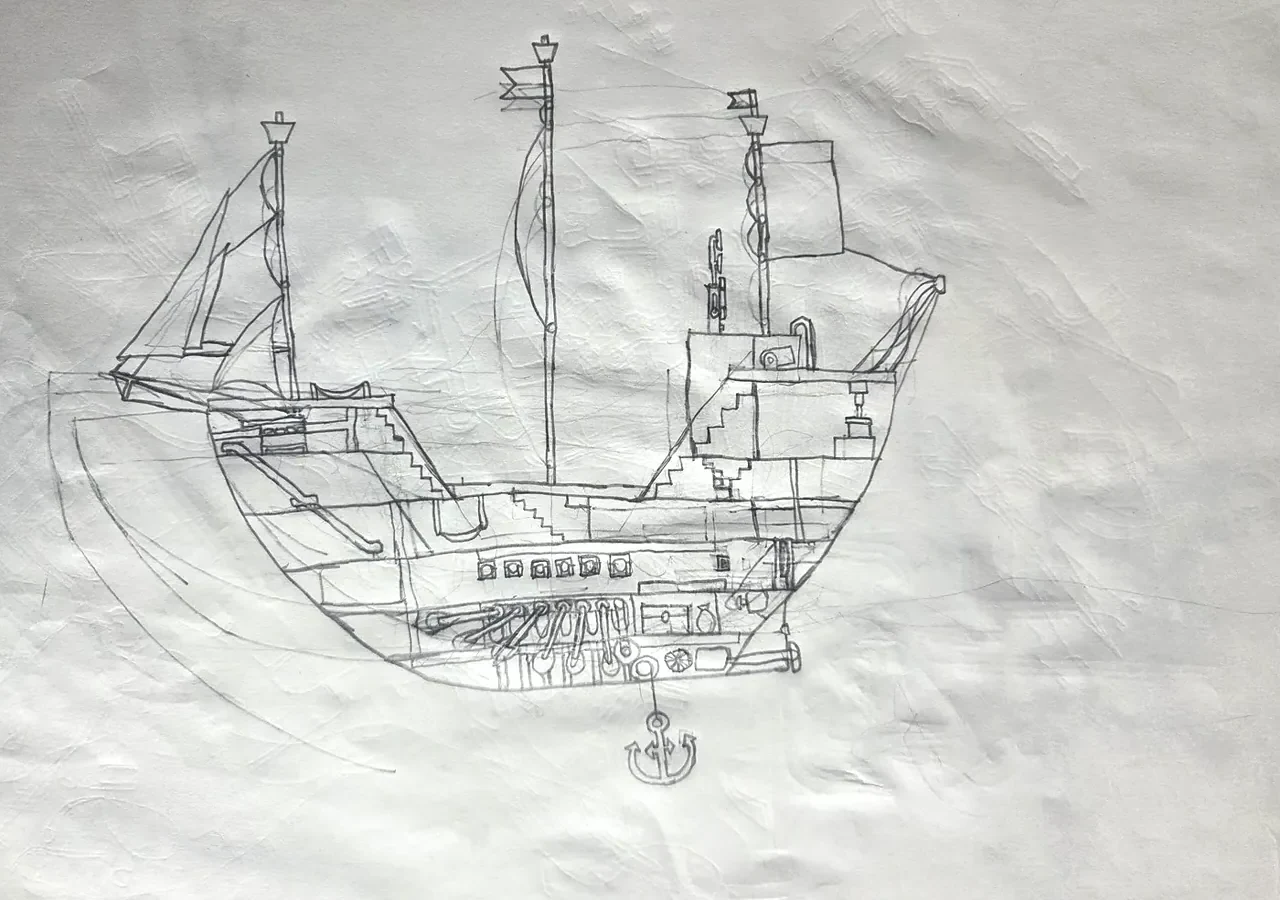
Right now, at 12, our kitchen counter is covered in blueprints for theme parks. Some are modeled after real paths from places we've visited, while others are entirely imagined worlds mapped out with meticulous coaster tracks, walkways, and ride cutaways.
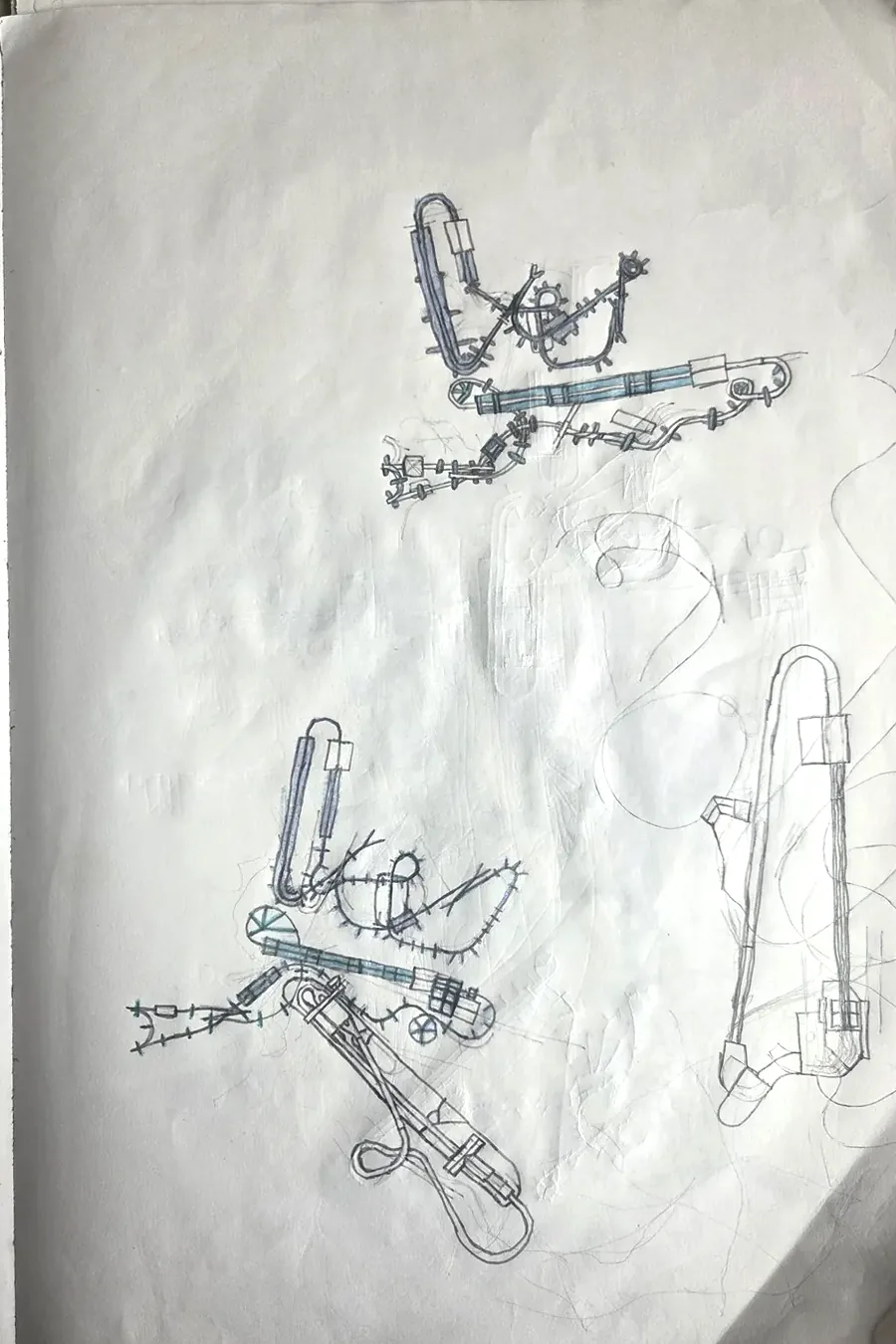
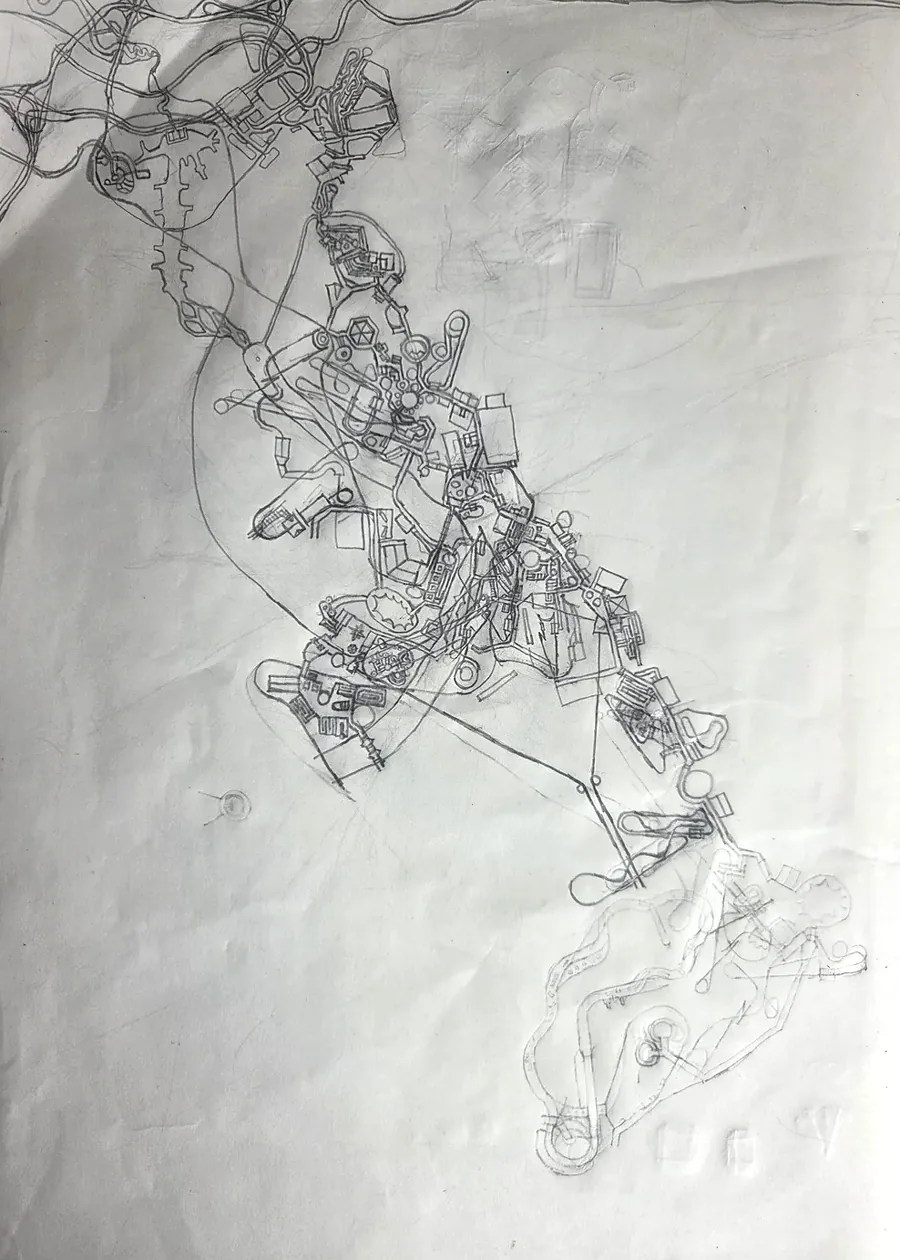
Seeing his space drawings and park master plans laid out side by side, I used to wonder if I should try to broaden his focus. But I've learned that these intense interests aren't something to redirect or manage away. They are a doorway to self-regulation — his brain's natural way of building a quiet sanctuary when the surrounding world feels too loud or unpredictable.
I don't need to turn his drawing time into a lesson, a conversation starter, or a goal on an IEP. Watching his shoulders drop as he fills a page with planet cores or roller coaster loops is enough.